

We are the Certified Exporter from India specializing in Dehydrated Fruits and vegetables Ingredient for the food and beverage industry. We work closely with a network of trusted manufacturers to supply Bulk Volumes to UK, EU, Asia & Australia wi...
- (+91) 8800242156
- info@clarteoverseas.com
- 1st Floor, CW-59, Sanjay Gandhi Transport Nagar, , Delhi, , India. 110042
© 2020 Clarté Overseas. All Rights Reserved
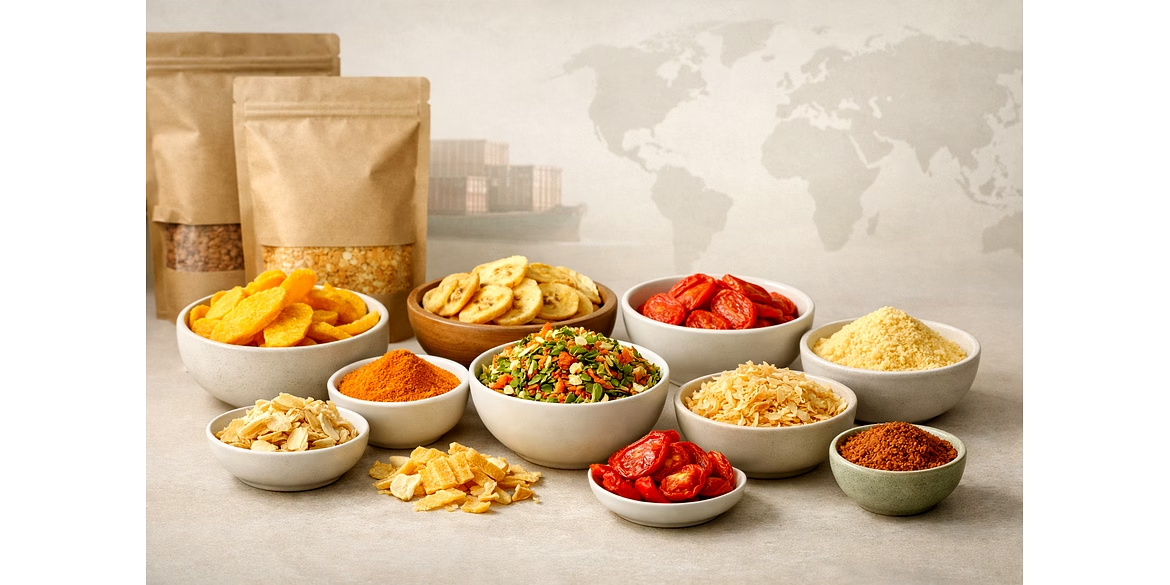

Why India Is a Leading Exporter of Dehydrated Fruits and Vegetables
India has emerged as a key global supplier of dehydrated fruits and vegetables, meeting rising demand for shelf-stable, nutrient-rich, and convenient ingredients across food, beverage, and ingredient manufacturing. With a strong agricultural base and modern dehydration techniques, Indian dehydrated produce is increasingly preferred by international buyers seeking export-grade dehydrated ingredients with consistent quality and supply reliability.
At CLARTÉ OVERSEAS, we monitor global sourcing trends and support buyers who want dependable Indian-origin dehydrated fruits and vegetables for long-term procurement, private label, or industrial applications.
Abundant Agricultural Base
India is among the world’s largest producers of fruits and vegetables, creating a dependable foundation for the dehydrated foods supply chain. This raw material strength helps ensure steady availability and supports year-round production of dehydrated fruits, dehydrated vegetables, powders, flakes, and granules—reducing supply disruptions and improving lead-time consistency for global buyers. When planning procurement, many importers also explore dehydrated fruits and vegetables sourcing options that can scale with demand.
Advanced Dehydration Techniques
Modern dehydration processes help retain natural flavor, color, and nutritional value while extending shelf life—key requirements for export-grade dehydrated fruits and vegetables. Controlled drying, hygienic handling, and process standardization improve product stability and support consistent performance in industrial recipes.
These dehydrated ingredients are widely used across:
• Ready-to-eat foods
• Snack manufacturing
• Soups and sauces
• Seasonings and blends
• Beverage formulations
Extended Shelf Life and Easy Storage
Dehydrated fruits and vegetables offer major advantages for storage and transportation. Reduced moisture content lowers spoilage risk, making dehydrated produce ideal for long-distance exports and bulk procurement. For distributors and manufacturers, shelf-stable dehydrated ingredients can simplify inventory planning, reduce waste, and support consistent supply across seasons.
Cost-Effective for Global Buyers
India’s efficient sourcing and processing ecosystem helps keep dehydrated fruits and dehydrated vegetables competitively priced while maintaining quality expectations. This cost efficiency supports importers, distributors, and food manufacturers looking to optimize formulation costs without compromising on consistency, traceability, or export-market readiness. Many buyers also evaluate bulk dehydrated ingredients for long-term contracts and predictable pricing.
Wide Range of Applications
Indian dehydrated fruits and vegetables are used across food processing, nutraceuticals, and ingredient manufacturing. Their versatility—whether supplied as slices, flakes, granules, or powders—makes them a preferred choice for large-scale manufacturers and specialty brands that need functional ingredients with clean-label appeal.
Export-Ready Compliance and Documentation
Indian exporters are experienced with international trade requirements, including structured documentation, traceability, and compliance support. Clear export documentation and quality records help streamline global transactions and reduce delays for importers operating in tightly regulated markets. If you’re building a sourcing program, you may also want to explore export compliance for dehydrated foods to align specifications with destination regulations.
Growing Global Demand for Natural Ingredients
As consumer preferences shift toward natural, minimally processed ingredients, dehydrated fruits and vegetables align with clean-label and health-conscious product trends. Shelf-stable fruit powders, vegetable flakes, and seasoning components can help brands deliver convenience while keeping ingredient lists simple and recognizable.
How CLARTÉ OVERSEAS Supports Global Buyers
CLARTÉ OVERSEAS works with trusted suppliers to facilitate sourcing and export of dehydrated fruits and vegetables from India. Our focus on quality alignment, documentation readiness, and supply reliability helps buyers integrate Indian-origin dehydrated ingredients into their manufacturing and distribution workflows with confidence. For procurement teams, we can also support discussions around specifications, packaging formats, and shipment planning based on buyer requirements, subject to feasibility.
FAQs
Why are Indian dehydrated fruits and vegetables popular globally?
They offer consistent quality, competitive pricing, long shelf life, and wide application versatility, making them suitable for international markets and industrial use.
What types of dehydrated products are commonly exported from India?
Common exports include dehydrated onions, garlic, ginger, mango, banana, apple, tomato, and mixed vegetable powders and flakes.
Are Indian dehydrated fruits and vegetables suitable for export markets?
Yes. They are processed and supplied in accordance with export-market requirements, subject to destination regulations and buyer specifications.
What industries use dehydrated fruits and vegetables?
They are widely used in food processing, snacks, beverages, seasonings, soups, sauces, and ingredient manufacturing.
How is quality maintained in dehydrated products?
Quality is maintained through controlled dehydration processes, proper packaging, and alignment with relevant industry standards and checks.
Do dehydrated products retain nutritional value?
Dehydration helps preserve essential nutrients while extending shelf life, making dehydrated fruits and dehydrated vegetables suitable for long-term use.
How does dehydration benefit logistics and storage?
Reduced moisture content lowers weight and volume, improves storage efficiency, reduces spoilage risk, and can lower transportation costs.
Can dehydrated fruits and vegetables be customized for buyers?
Specifications such as cut size, moisture levels, and packaging can be aligned with buyer requirements, subject to feasibility and product suitability.
How can buyers source dehydrated products from India?
Buyers can connect with export partners like CLARTÉ OVERSEAS to discuss sourcing options, documentation, and logistics requirements for dehydrated fruits and vegetables procurement.